

Safa and Marwa: What Sa’ee Means and Its Importance in Islam
Introduction
For every Muslim performing Hajj or Umrah, the ritual of Sa’ee between Safa and Marwa is essential. But what exactly are these two hills, what is their history, and why does this act hold such deep meaning in Islam? Let’s explore everything you need to know.
What Are Safa and Marwa?
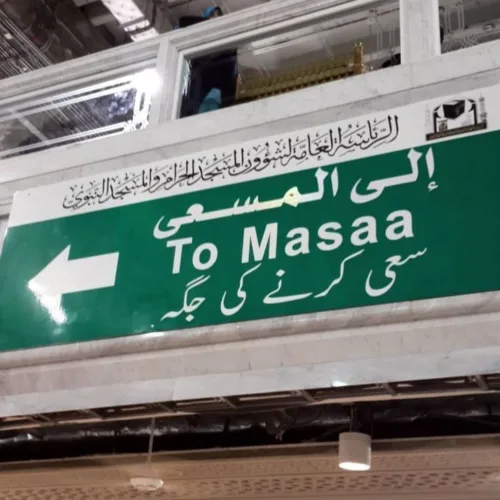
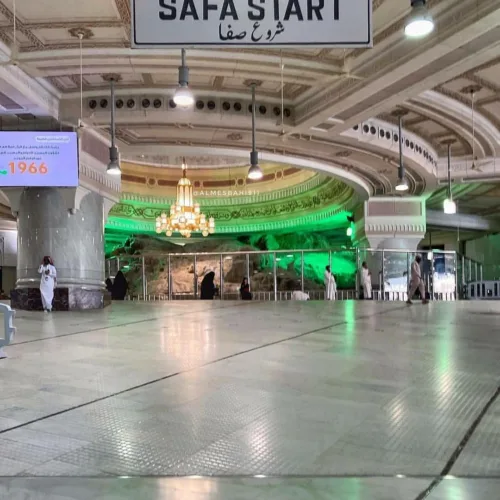
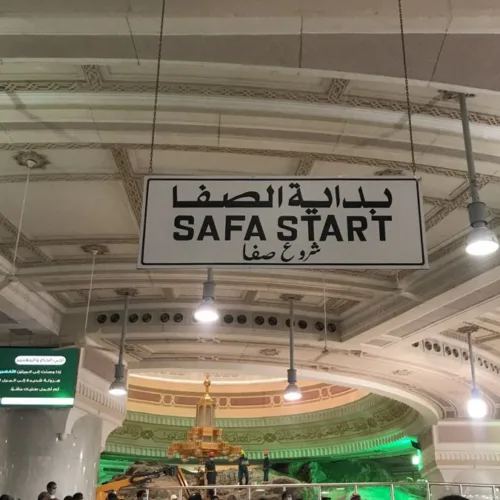
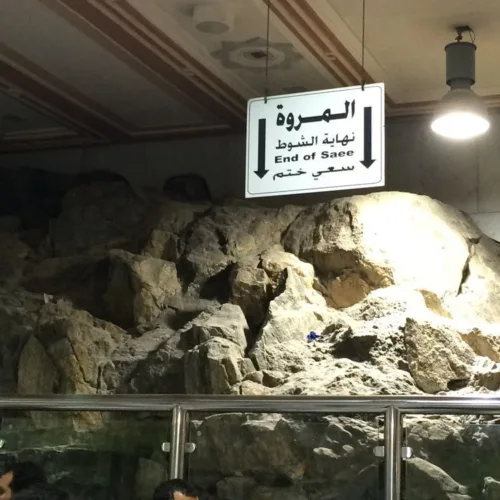
Safa and Marwa are two small hills now located inside the Grand Mosque in Makkah. The Sa’ee involves walking seven times back and forth between these hills, starting at Safa and ending at Marwa.
This act is not simply a physical walk; it carries profound lessons of faith, patience, and devotion.
The History of Sa’ee
The ritual traces back to Hajar (Hagar), the wife of Prophet Ibrahim (Abraham), and their son Isma’il. Left alone in the valley of Makkah, Hajar desperately searched for water for her thirsty child. In her determination, she ran between Safa and Marwa seven times. Finally, by Allah’s mercy, the spring of Zamzam water miraculously gushed forth near baby Isma’il.
Today, every Muslim who performs Sa’ee retraces her steps, honoring her courage and trust in Allah.
Why Is Sa’ee Mandatory?
Sa’ee is an obligatory part of both Umrah and Hajj. Without it, the pilgrimage is incomplete. Its significance is highlighted in the Qur’an:
“Indeed, Safa and Marwa are among the symbols of Allah…” (Quran 2:158)
Through this act, Muslims connect with a moment of deep faith and divine mercy that shaped Islamic history.
How to Perform Sa’ee
-
Start at Safa: Face the Kaaba, raise your hands, and make a sincere intention (niyyah).
-
Walk to Marwa: Between two green-lit markers, men may walk briskly, while women maintain a steady pace.
-
At Marwa: Face the Kaaba again and make supplications.
-
Repeat seven times: Back and forth, finishing at Marwa.
During Sa’ee, pilgrims often recite du’as (supplications) and reflect deeply on the story of Hajar and her unwavering faith.
Practical Tips for Sa’ee
-
Stay hydrated: Though indoors and air-conditioned, the walk can be tiring.
-
Focus on intention: Sa’ee is an act of worship, not a race.
-
Be mindful of others: The area is crowded, so patience and courtesy are essential.
-
Take your time: Reflect on the meaning of each step while praying for guidance and blessings.
The Spiritual Meaning of Sa’ee
This ritual symbolizes struggle, perseverance, and absolute trust in Allah. Just as Hajar never gave up hope, Sa’ee reminds Muslims to stay strong through life’s challenges, believing that relief comes from Allah alone.
Conclusion
Safa and Marwa are not just two hills; they are living symbols of faith and divine mercy. Performing Sa’ee is both a physical act and a spiritual journey that connects every pilgrim to one of the most powerful stories in Islamic history.


